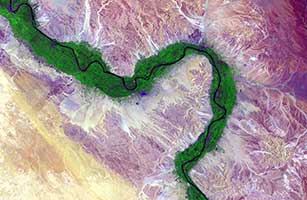
Geospatial and Data Systems for effective Natural Resources Management training and learning materials. Topics covered include: (i) Geospatial aligned digital data collection tools; (ii) Application of geospatial technology for sustainable management of forest, rangeland, and national parks, and for combating land degradation and desertification; (iii) add other topics.
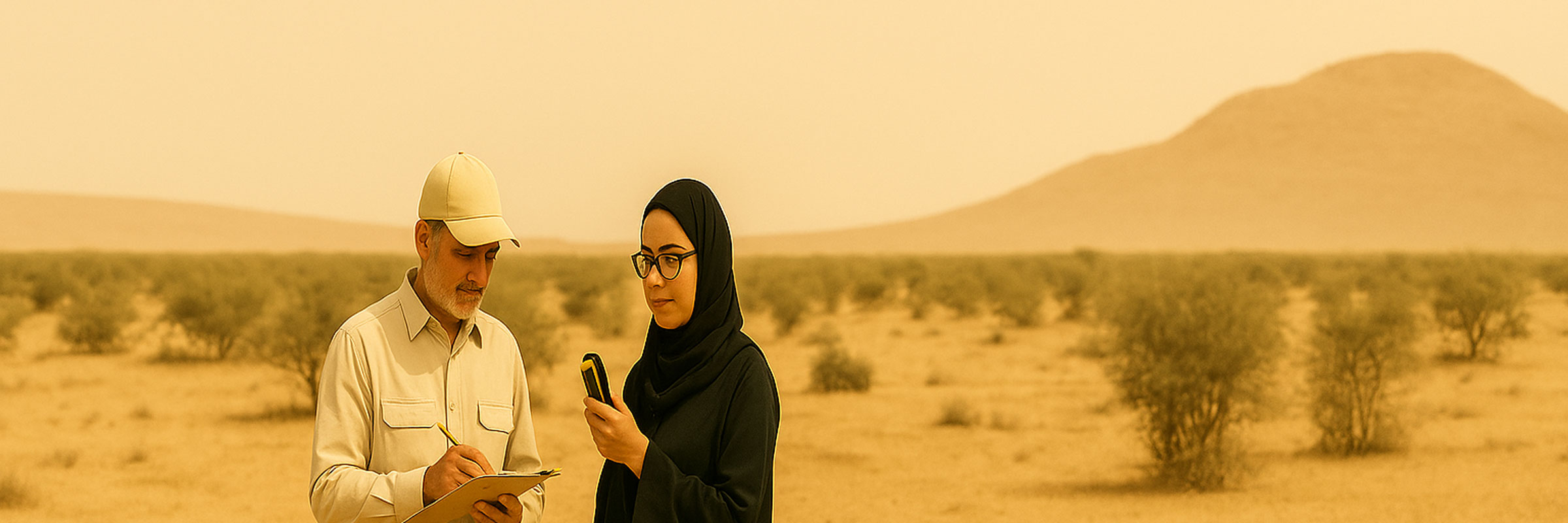
Geographic Information Systems (GIS) are powerful tools that enable the collection, analysis, and visualization of spatial data for effective decision-making. This course introduces the fundamentals of GIS with a special focus on its application in rangeland assessment and monitoring. Participants will develop core competencies in spatial thinking, coordinate systems, data models, and digital mapping using ArcGIS and Google Earth.
Designed specifically for the technical staff of the General Department of Rangelands, the course follows a blended learning approach combining weekly face-to-face sessions with structured online modules via Moodle. Through guided hands-on exercises and self-paced learning, participants will gain practical experience in data collection, feature creation, satellite imagery analysis, and vegetation index calculations relevant to rangeland ecosystems.
By the end of the course, participants will be equipped to apply GIS techniques in their day-to-day work—supporting Rangeland inventory, monitoring vegetation health, and preparing spatial reports. The course emphasizes real-world application through mini and final projects, ensuring that each learner can implement a full GIS workflow aligned with national conservation and restoration priorities.